Author name: Alan Amayo

48-Hour Resilience: What It Really Takes to Keep Critical Infrastructure Running 

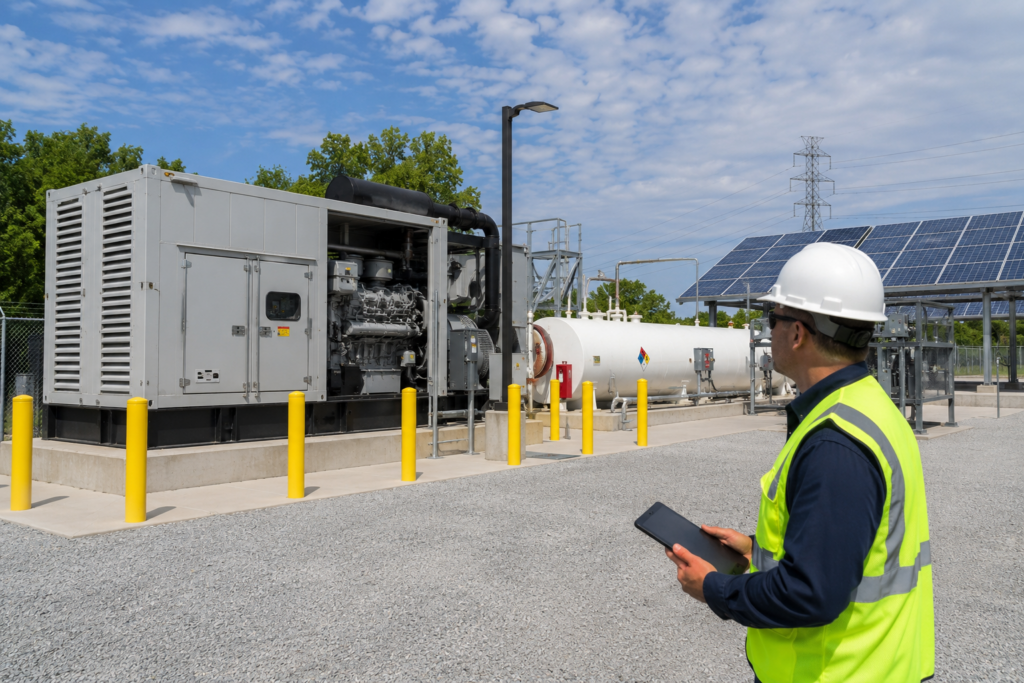
In resilience planning, “backup power” is often discussed in broad terms. But for critical infrastructure, the standard is far more specific:  Can operations continue for at least 48 hours without grid support?  In Texas, that question is no longer theoretical. It reflects the reality of extended outages and the conditions communities increasingly face.  48-hour resilience is not a feature—it’s a designed […]

48-Hour Resilience: What It Really Takes to Keep Critical Infrastructure Running  Read More

Why Protecting One Building Is Not Enough: The Case for Community Resilience 

For decades, resilience strategies have been built around individual facilities:  These efforts are necessary—but they are no longer sufficient.   Recent events have made one issue clear: protecting a single asset does not protect the community around it.  Where the Current Model Falls Short  Across Texas, resilience investments have often been made at the site level. As

Why Protecting One Building Is Not Enough: The Case for Community Resilience  Read More

Power Outages to Boil Water Notices: Why Energy Reliability Is a Public Health Issue

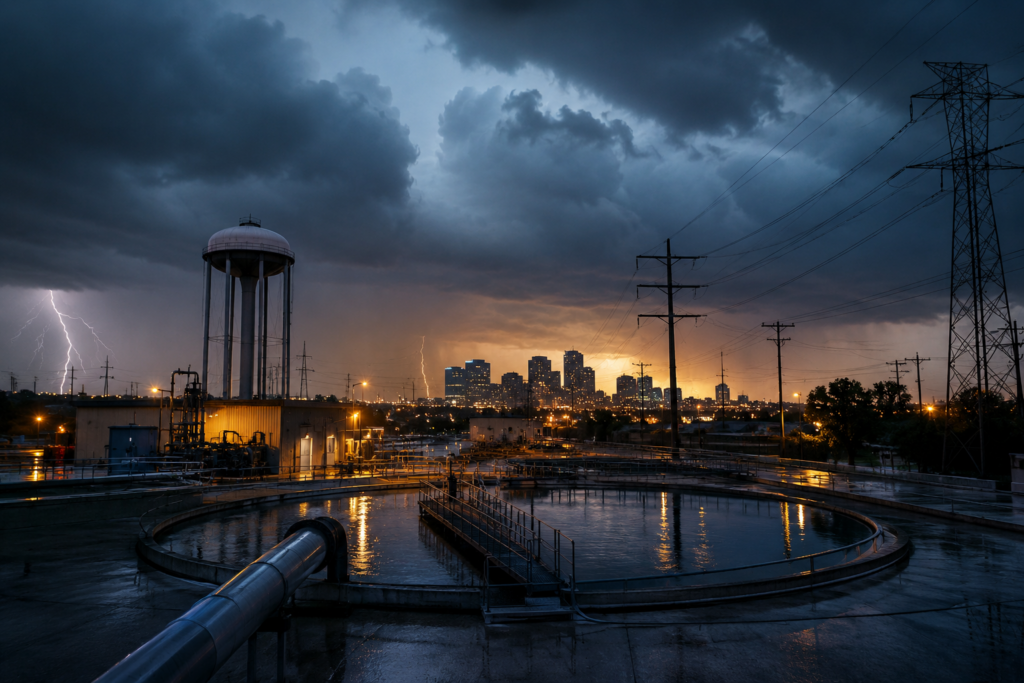
Power outages are often viewed as an inconvenience—but for water systems serving growing communities, they can quickly escalate into public health emergencies. For Municipal Utility Districts (MUDs), city operators and critical facilities heads, maintaining power is directly tied to maintaining safe, reliable water service—and managing risk before disruptions occur.  When Power Fails, Water Systems Follow 

Power Outages to Boil Water Notices: Why Energy Reliability Is a Public Health Issue Read More

Do Microgrids Compete with the Grid? Clarifying a Common Misconception   

As cities, critical infrastructure (Hospitals, Fire stations, Police stations) and utility districts explore resilience solutions, one question comes up repeatedly:  Do microgrids weaken the grid—or support it?   The short answer: properly designed systems support grid stability rather than compete with it.   Where the Confusion Comes From   There is a persistent perception that localized energy systems:  This misunderstanding has slowed decision-making among

Do Microgrids Compete with the Grid? Clarifying a Common Misconception    Read More

Scroll to Top