
Texas continues to refine how it measures and manages electric reliability—and the latest filing with the Public Utility Commission of Texas (PUCT) offers an important snapshot of where the system stands today and where pressure is building.
The 2025 Assessment of Reliability Performance for the Texas Interconnection, submitted by the Texas Reliability Entity, is part of an ongoing effort to evaluate grid performance, identify emerging risks, and guide future policy decisions.
For cities, utilities, and critical infrastructure operators, the message is clear: while reliability has improved in key areas, the system is entering a new phase of complexity driven by rapid growth, changing resource mix, and evolving risks.
A System That Is Performing—But Under Increasing Pressure
Recent assessments show that the Texas grid has avoided major emergency conditions in recent periods and continues to integrate new resources like solar and battery storage.
At the same time, demand continues to rise, and the complexity of managing the grid is increasing.
This creates a dual reality:
- Operational performance has improved
- Structural stress on the system is growing
This is not a contradiction—it is a transition.
The Growing List of Reliability Drivers
The PUC docket reflects a broader set of reliability discussions that go beyond traditional generation adequacy. These include:
- Load growth driven by population expansion and large industrial users
- Resource mix changes, particularly the rise of intermittent generation
- Operational risks, including weather events and infrastructure vulnerabilities
- Planning uncertainty tied to new types of large loads and evolving demand behavior
At a policy level, Texas has already moved to formalize reliability expectations. The PUCT has adopted performance standards that require the system to meet defined thresholds for outage frequency, duration, and magnitude.
This signals a shift: reliability is no longer an implicit outcome—it is being explicitly measured and managed.
Why This Matters for Communities and Critical Infrastructure
For cities, MUDs, water utilities, and healthcare systems, the implications are significant.
Grid reliability is improving at the system level—but that does not eliminate localized risk.
In fact, as the system evolves, consequences of failure become more concentrated and more severe at the community level.
This changes the planning question:
It is no longer just “Will the grid perform?”
It is “What happens if it doesn’t—at my facility, my system, my community?”
The Gap Between System Reliability and Local Resilience
A key takeaway from ongoing PUCT and ERCOT discussions is that system-wide reliability and site-level resilience are not the same thing.
- The grid may meet its reliability targets
- Individual facilities can still lose power during major events
This gap has been exposed repeatedly during extreme weather events and regional outages.
As a result, resilience is increasingly being addressed at the local and distributed level, not just through centralized generation.
The Role of Distributed Energy and Microgrids
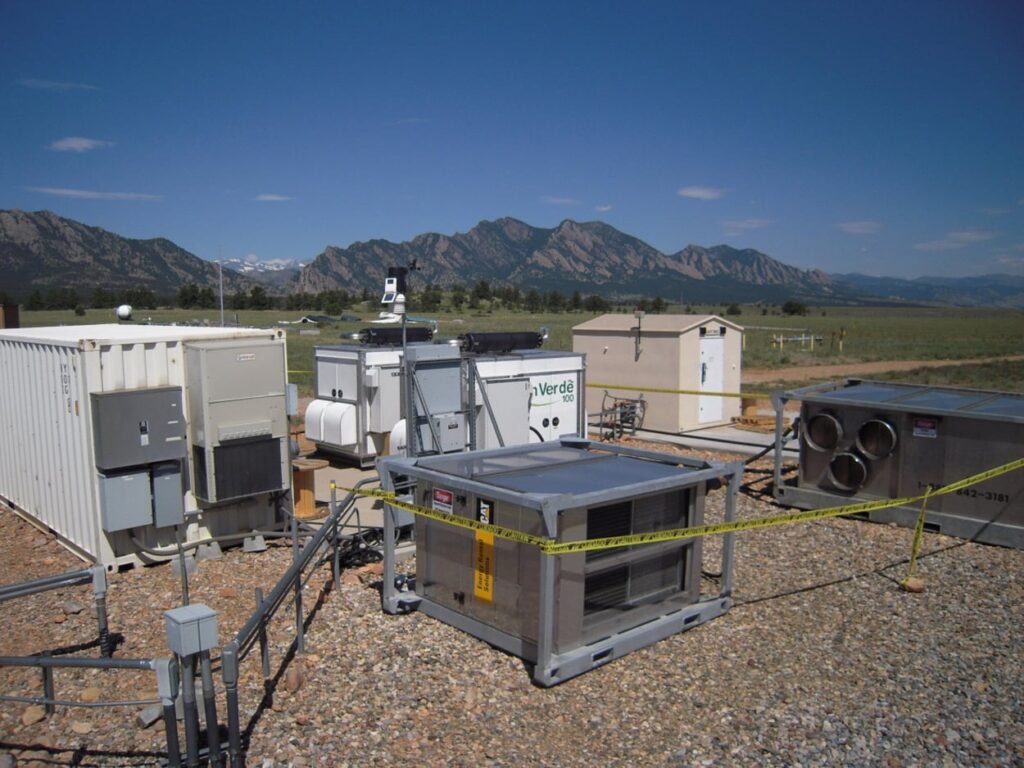
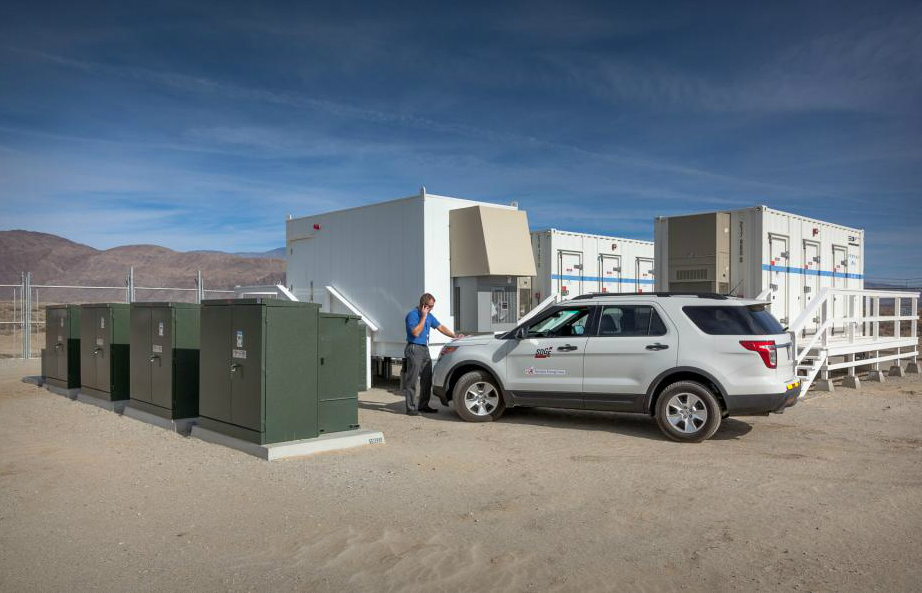
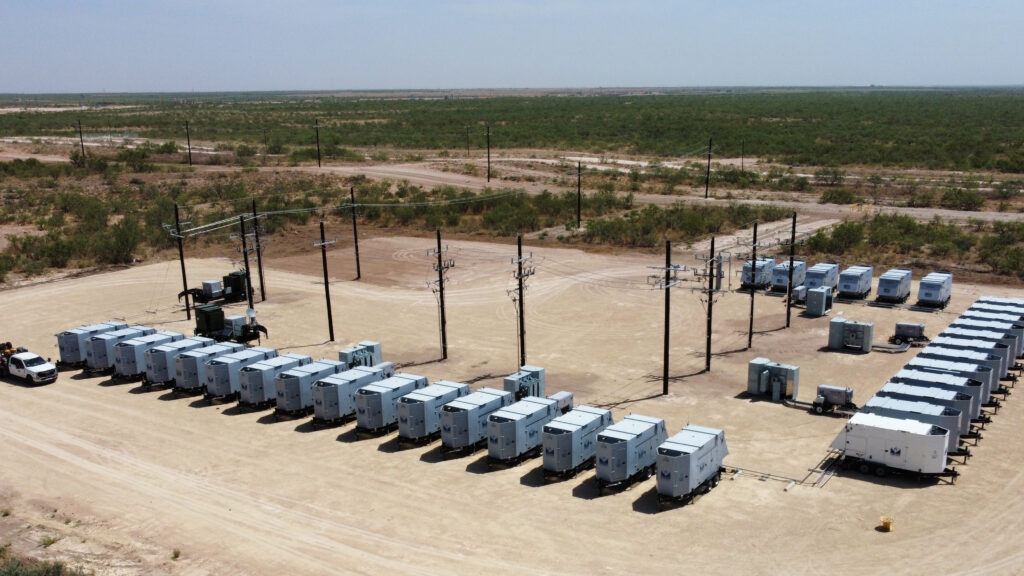
The evolving regulatory and reliability landscape is creating new attention on distributed solutions such as:
- Microgrids
- Backup power systems
- Flexible load and demand response
These resources are being discussed not only as emergency tools, but as part of the broader solution set for reliability.
As reflected in ongoing policy discussions, distributed assets have the potential to:
- Reduce demand during system stress
- Support grid stability
- Improve continuity for critical services
But their role depends heavily on how policies allow them to interact with the grid.
Where the Market Is Still Catching Up
One of the recurring themes in Texas energy policy today is alignment.
While the system is improving, gaps still exist between:
- Resilience investments (what communities build)
- Market participation (what the grid can use)
In some cases, assets designed to provide backup power are limited in their ability to support the grid during normal operations or system stress.
This creates a missed opportunity:
- Infrastructure is being deployed
- But not always fully utilized
As regulatory discussions continue, this alignment will be a critical issue to watch.
What Comes Next
The PUC docket makes one thing clear: Texas is not standing still.
The state is:
- Continuously evaluating reliability performance
- Refining standards and expectations
- Incorporating new data, technologies, and risk factors
At the same time, demand growth, extreme weather, and infrastructure needs are accelerating.
The Bottom Line for Decision Makers
For leaders responsible for critical infrastructure, the takeaway is practical:
- System reliability is improving—but not guaranteed at the local level
- Risk is shifting from system-wide failure to localized impact
- Planning must now include on-site and distributed resilience strategies
The grid will continue to evolve.
The question is whether individual communities and organizations evolve with it.
How ARS Supports This Transition
Acclaim Reliability Solutions helps organizations move from grid dependence to grid resilience.
By designing and deploying utility-scale microgrids and distributed energy solutions aligned with ERCOT market rules and emerging regulatory frameworks, ARS enables:
- Continuous operations during outages
- Reduced exposure to grid risk
- Long-term value through market participation
As Texas continues to redefine reliability, the organizations that plan ahead will be the ones best positioned to operate with confidence—no matter how the grid performs.